Reducing food waste at home is a win-win situation. It helps the environment by lowering the amount of food that ends up in landfills, saves money by making better use of the food you buy, and encourages healthier eating habits. In this post, we’ll explore practical ways to cut down on food waste, from smart shopping to creative cooking.
Why Reducing Food Waste Matters
Before diving into strategies, it’s good to understand why food waste is a problem. When food is thrown away, all the resources used to produce it—water, energy, labor—are wasted as well. Additionally, decomposing food in landfills produces greenhouse gases that contribute to climate change. By reducing food waste at home, you play an important part in creating a more sustainable future.
Smart Shopping Habits
Plan Your Meals
Planning meals for the week helps you buy only what you need. Write a shopping list based on your planned meals, and stick to it when you go to the store. This reduces the chance of impulse buys that might spoil before you use them.
Shop with a Full Stomach
Hunger can lead to impulse purchases. Try to shop after eating to avoid buying extra snacks or perishables you don’t really need.
Buy Loose Produce
Buying loose fruits and vegetables allows you to select the exact amount you want, reducing the chance of excess food going bad.
Check Dates Carefully
Understand the difference between “sell by,” “use by,” and “best before” dates. Often, food is still safe to eat after the date has passed, especially if stored properly.
Storage Tips to Keep Food Fresh Longer
Proper storage slows down spoilage. Here are some storage tips:
– Use airtight containers: Transfer leftovers and opened packages into airtight containers to maintain freshness.
– Keep fruits and vegetables separate: Some fruits release ethylene gas, which can speed ripening and spoilage of nearby veggies.
– Store herbs like flowers: Trim the stems and place them in a glass of water in the fridge.
– Use your freezer: Freeze leftovers, bread, and even some fruits and vegetables to extend their life.
Understand Food Labels and Dates
Labels can be confusing. “Best before” indicates quality, not safety. “Use by” is a safety guideline. When in doubt, use your senses—look, smell, and taste small amounts before discarding food.
Use Leftovers Creatively
Instead of throwing away leftovers, turn them into new meals:
– Make soups or stews: Combine various bits of vegetables and meats.
– Prepare salads or grain bowls: Use leftover cooked grains or roasted veggies.
– Bake with extra fruits: Overripe bananas or apples work well in muffins or breads.
– Create stocks: Save vegetable scraps and bones in the freezer to make homemade broth.
Practice Portion Control
Serving reasonable portions can prevent uneaten food from ending up in the trash. If you have guests or large families, consider serving food in smaller amounts with the option to get seconds.
Compost Food Scraps
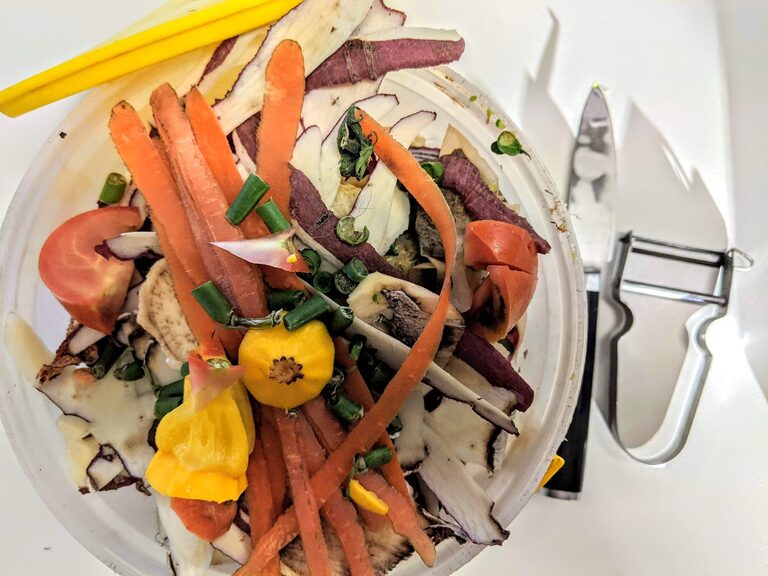
Even with all efforts, some food scraps are inevitable. Composting vegetable and fruit peels, coffee grounds, and eggshells turns waste into nutrient-rich soil for your garden, closing the loop.
Educate Your Household
Share these tips with everyone in your home to build a team effort. Encourage open conversations about food waste and involve family members in meal planning and waste reduction.
Benefits Beyond the Environment
Reducing food waste saves money by stretching your grocery budget further. It also promotes healthier meals by encouraging thoughtful cooking and eating habits.
—
Reducing food waste at home doesn’t have to be complicated. By planning wisely, storing food properly, and using leftovers creatively, you can make a big difference in your household’s impact on the planet — and your wallet too. Start small and build new habits over time for lasting change.
About the Author